Cotton Collars form part of an ongoing research-based practice that investigates the social, cultural, and historical narratives embedded within everyday materials. Using cotton collars as both sculptural objects and tools for mark-making, the artist creates patterns on flat surfaces through a process of repetition, imprinting, and assembly. The works presented here document different stages of exploration, experimentation, and material inquiry within this continuing project.
Cotton collars are assembled directly onto the painting surface to form a star motif frequently found in Islamic art and in the architectural ornamentation that Shaden observed in Uzbekistan. While the collars retain their sculptural presence, they simultaneously merge with the canvas or surface, becoming part of the painting as low relief forms.
For Shaden, collars symbolise a state of being organised, skilled, and ready to work. Although collars are often associated with male figures, the artist repositions them within a female-centred narrative. In Uzbekistan and across Central Asia, women became increasingly visible as skilled workers during the Soviet period. While Soviet policies accelerated women’s participation in public and economic life, this emancipation was often driven by the state's demand for labour rather than by a commitment to women’s rights.
Within this body of work, Shaden focuses particularly on the history of cotton pickers. During the Sovietisation of Central Asia, cotton production became a central economic priority, and entire communities were mobilised to contribute to the cultivation and harvesting of what was known as “white gold.” Children and adults alike were often required to participate in seasonal cotton picking campaigns. Research from 1985 reported that “According to official reports, Central Asian children often spend 60 to 70 days out of school each fall picking cotton. Some are sent hundreds of miles from home to live in cramped and unsanitary barracks, earning as little as ($5) for every 100 pounds of cotton they pick.”
Alongside these histories of labour and gender, Shaden’s work draws attention to the environmental consequences of the cotton industry, particularly the devastation of the Aral Sea. Once one of the largest inland bodies of water in the world, the Aral Sea dramatically shrank as a result of Soviet irrigation projects that diverted its feeding rivers to support large-scale cotton cultivation. The ecological catastrophe remains one of the most significant environmental disasters of the twentieth century and continues to shape the region’s landscape and collective memory.
Through the Cotton Collar works, Shaden brings together personal, social, and collective histories. The repeated forms of the collars function as traces of labour, symbols of discipline and productivity, and reminders of the individuals whose lives were shaped by political and economic systems. By transforming these familiar objects into patterns, reliefs, and symbolic structures, the artist creates a visual language that reflects on memory, resilience, and the lasting impact of historical trauma. As with much of Shaden’s oeuvre, the works navigate the space between the personal and the collective, revealing how individual experiences are intertwined with broader cultural and historical narratives.
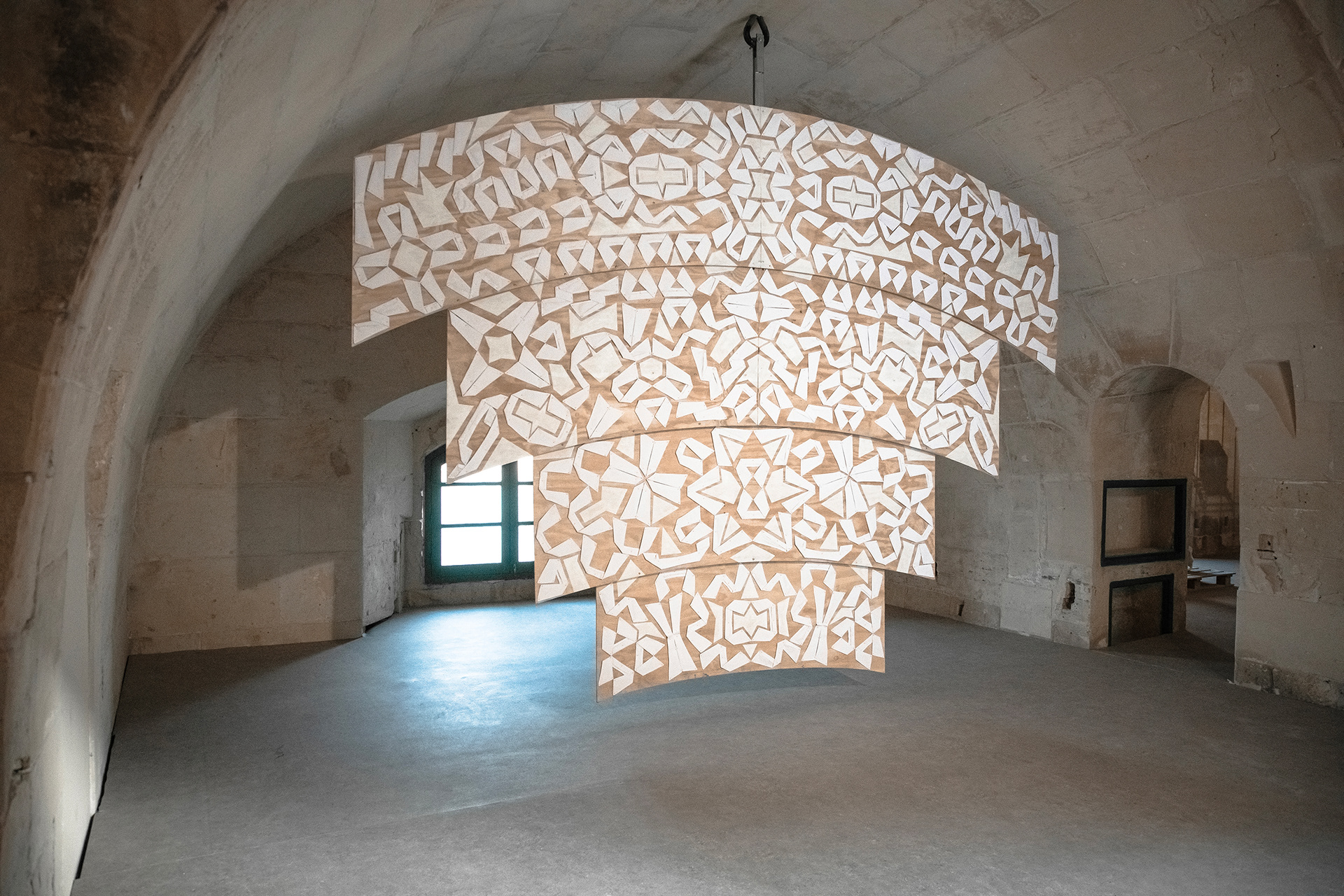


White Order, 2026
Site-specific Installation. Wood, cotton shirt collars, and acrylic paint.
This site-specific installation assembles starched cotton collars sourced from Uzbekistan into geometric patterns drawn from the artist's memory of Central Asia. Mounted on rough wooden sheets and arranged on a surface that resembles a chandelier, the work deliberately exposes its screws and bolts, emphasizing a sense of rawness and industrial construction. The stark white collars bring visual order and unity to the structure while simultaneously referencing labor and modernisation.
The chandelier is an emblem of wealth and status in the artist's memory; it becomes a monumental form where craft, labor, and material history intersect. The installation traces a cycle of transformation: from nature to fashion, from fashion to waste, and from waste into an art object. In doing so, it reflects on the labor of women within textile production, the legacy of Soviet industrialisation, and the environmental consequences of fast fashion and textile waste
By recontextualizing discarded or utilitarian materials, the work suggests that value is not fixed. What is considered trash can re-emerge as a cultural artifact, carrying stories of labor, ecology, and memory while reclaiming meaning within the space of art.
Commissioned by Ta(r)dino 6 Art Platform for Sea Pavilion, Nothing precious Precious nothing for Malta Biennale 2026
Curated by Vlad Sludskiy & Azad Asifovich, Pavilion Director: Asli Samadova

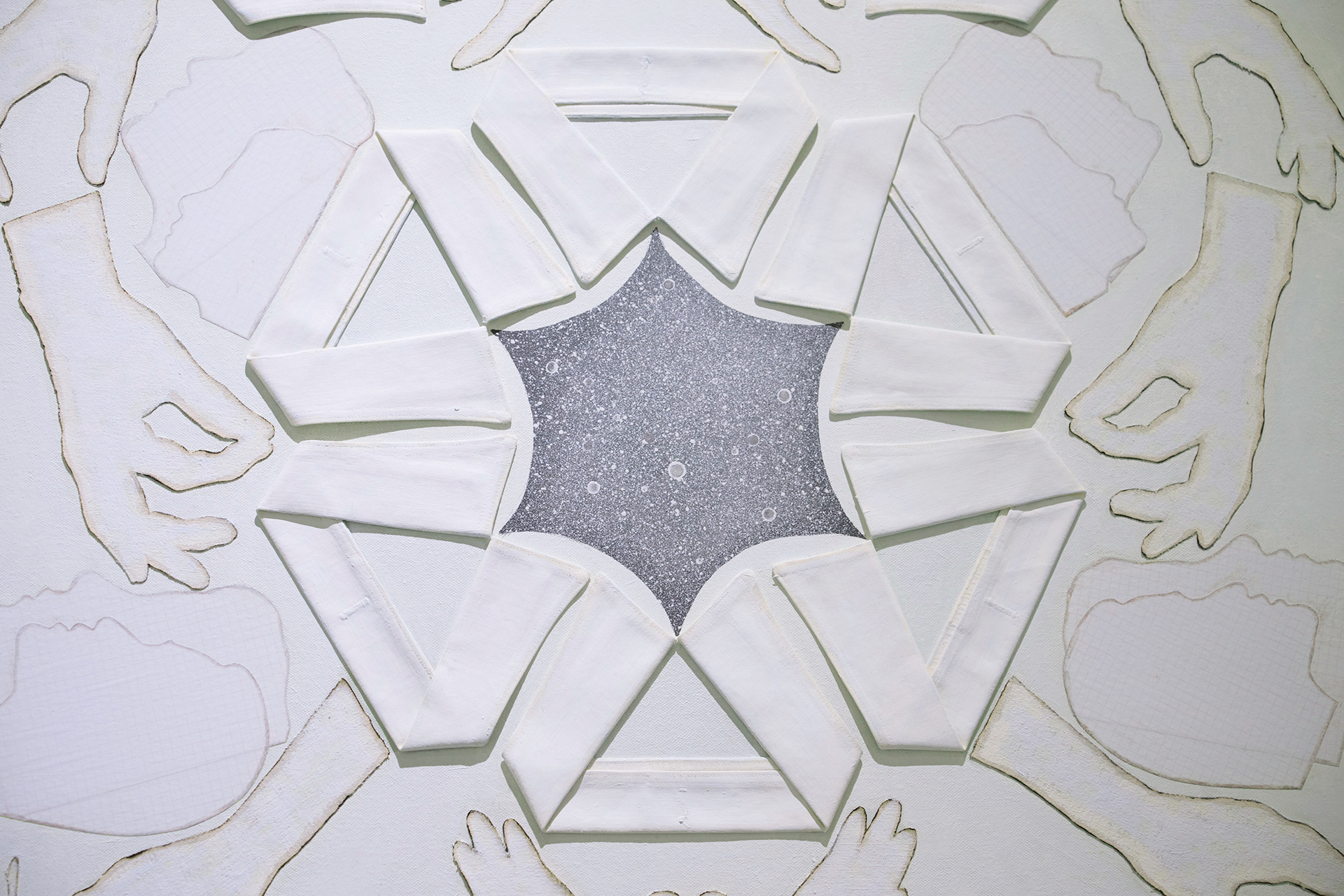


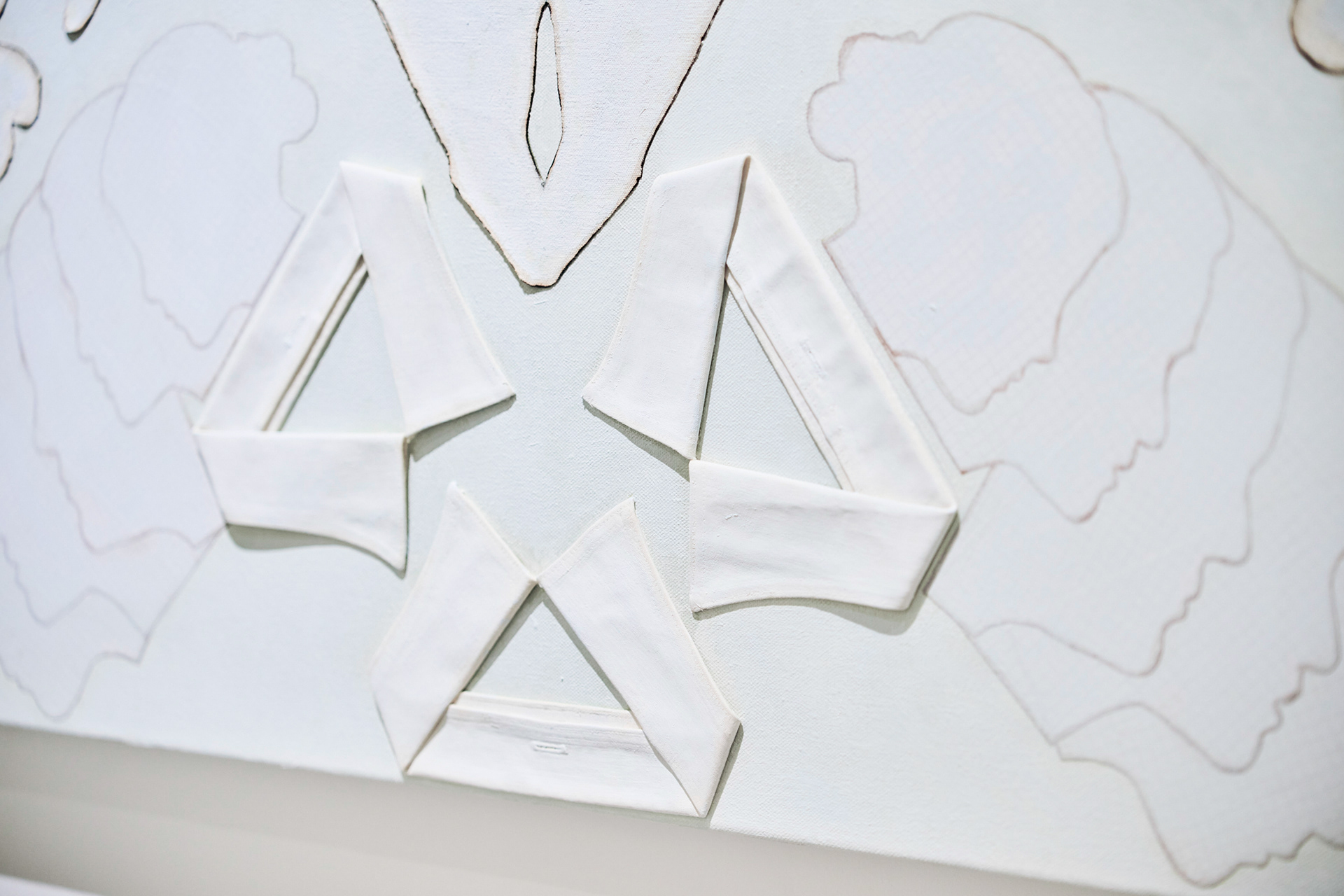

Cotton Star, 2023
Cotton Collars, Paper and Oil on Canvas/80cm × 100 cm/Sovereign Asian Art Prize 2024 Finalist

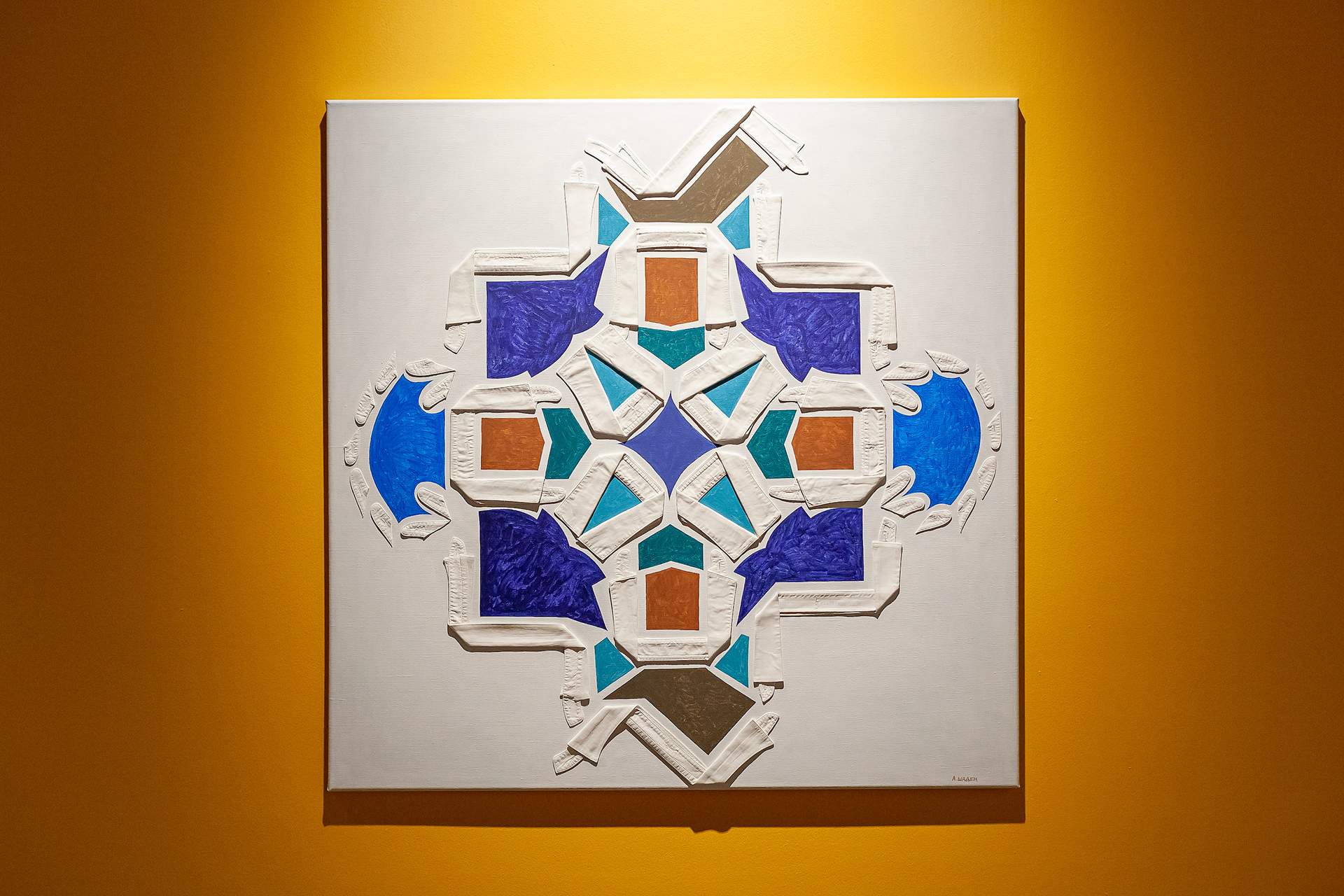
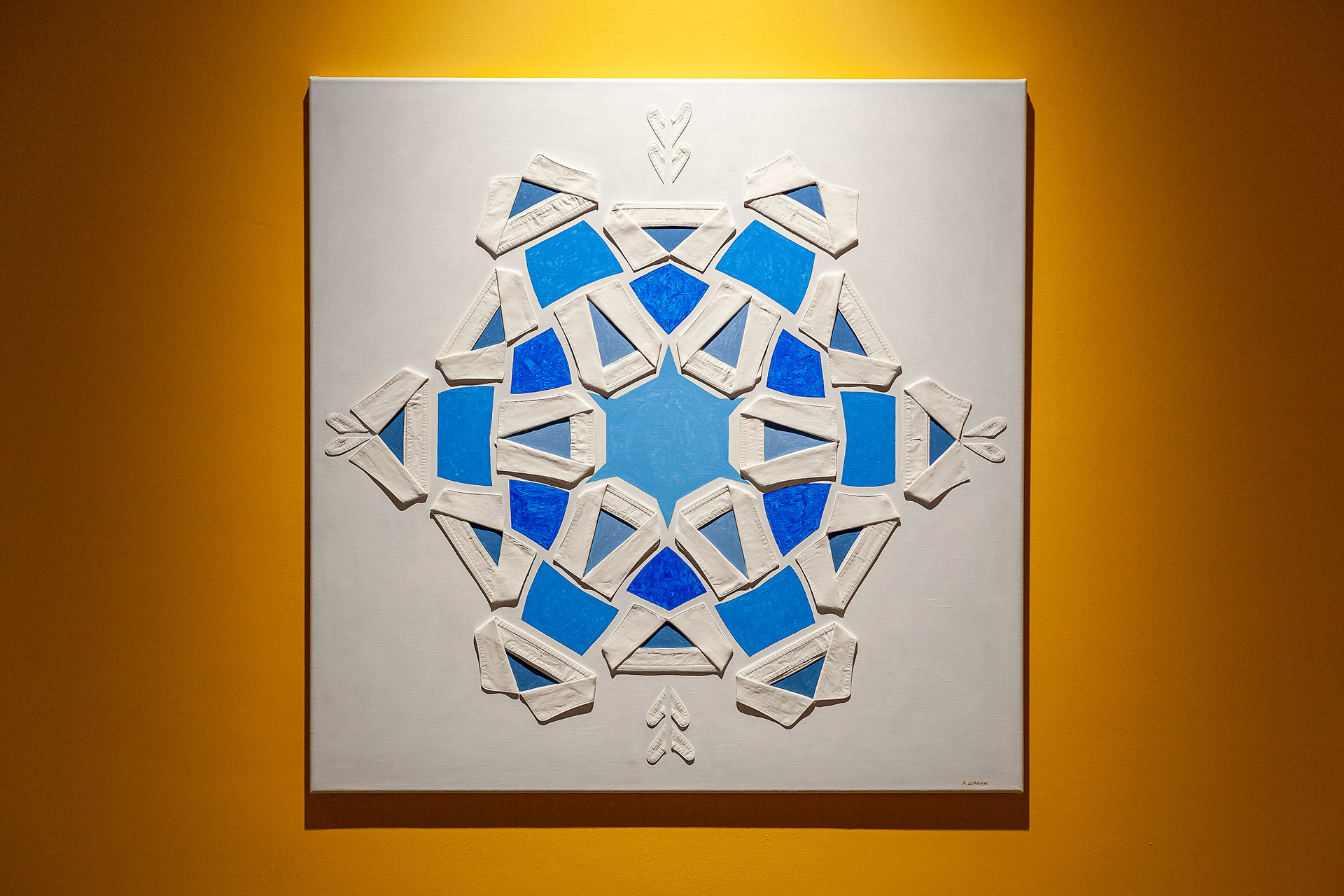

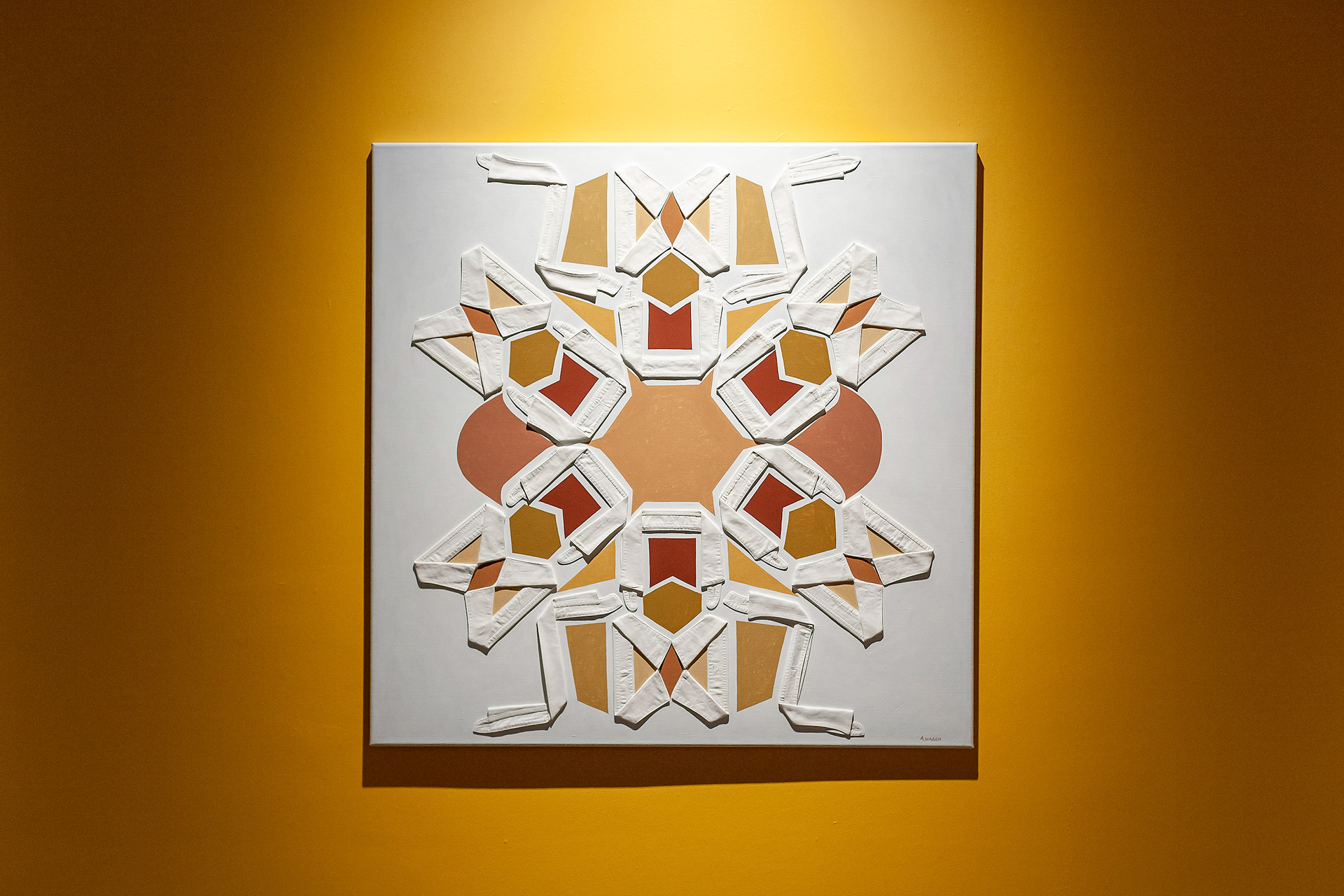
Collar Paintings, 2023
Cotton Collars and Acrylic on Canvas/100cm x 100cm/Produced by Mill6CHAT, Hong Kong
Clouds, Power and Ornament – Roving Central Asia, co-curated by Slavs and Tatars and You Mi




Soft Collar Sculptures, 2020
1930's-1940's starched collars, assemblages/dimensions variable/(From the ongoing collar experimentations and studies)
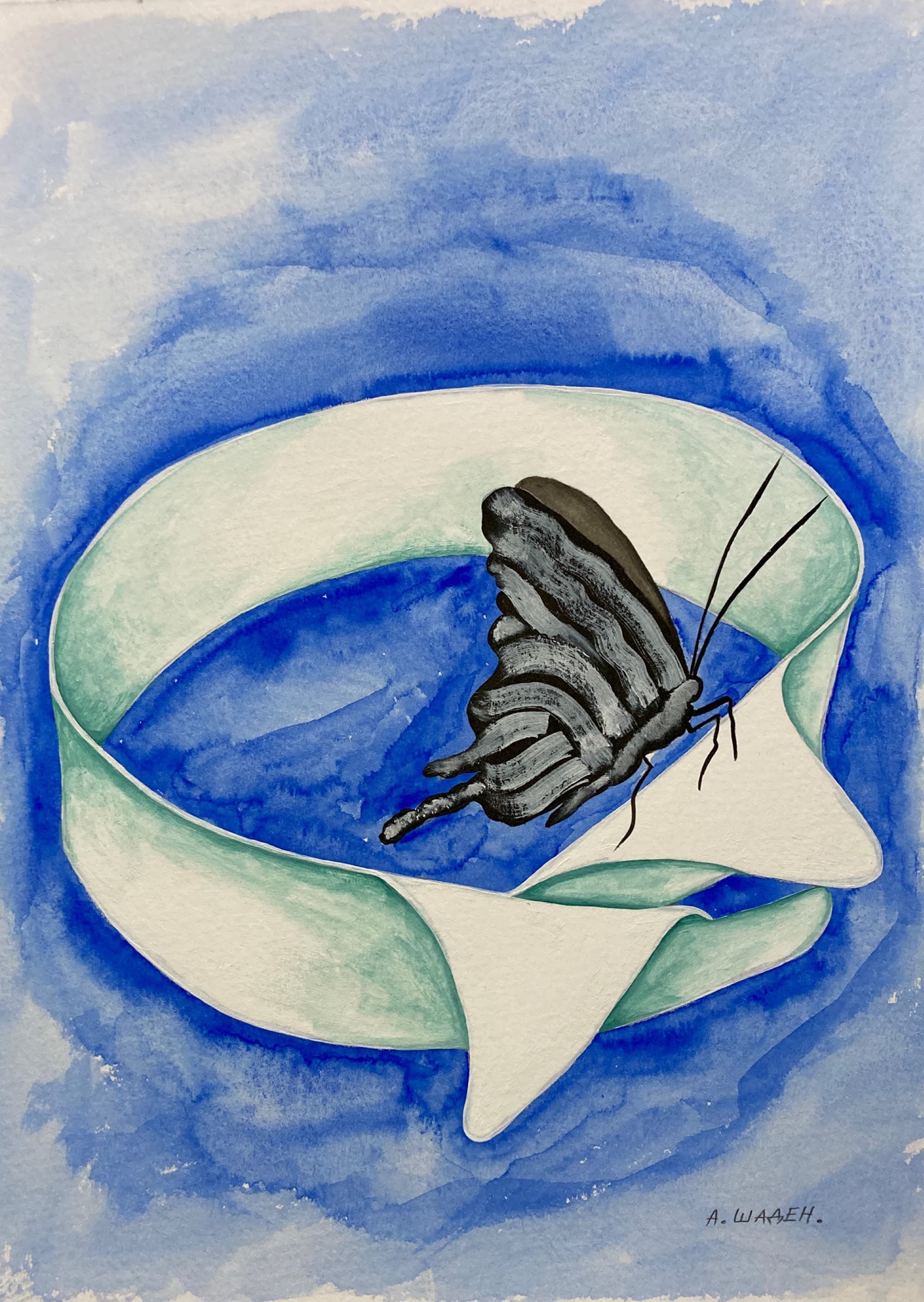
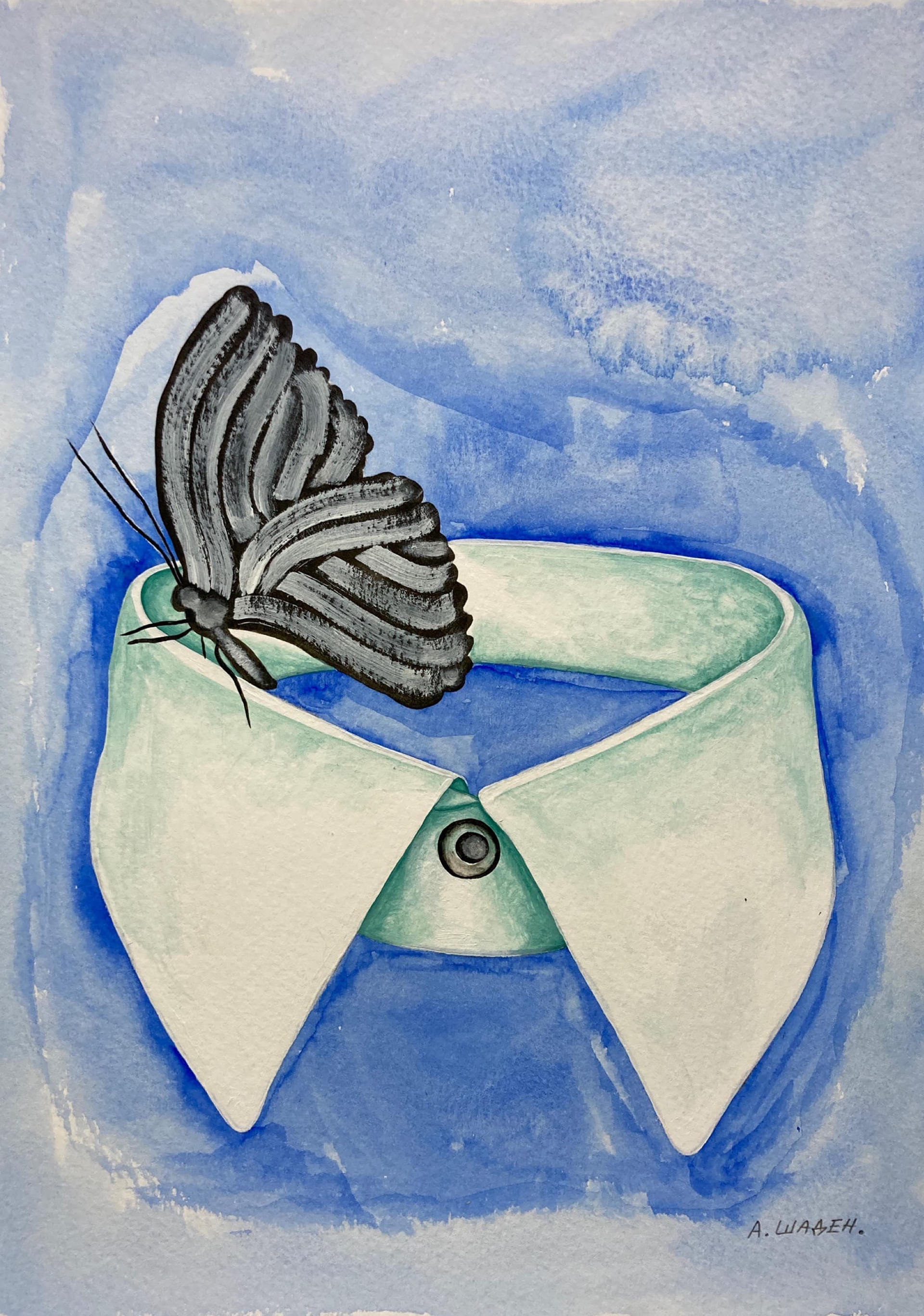
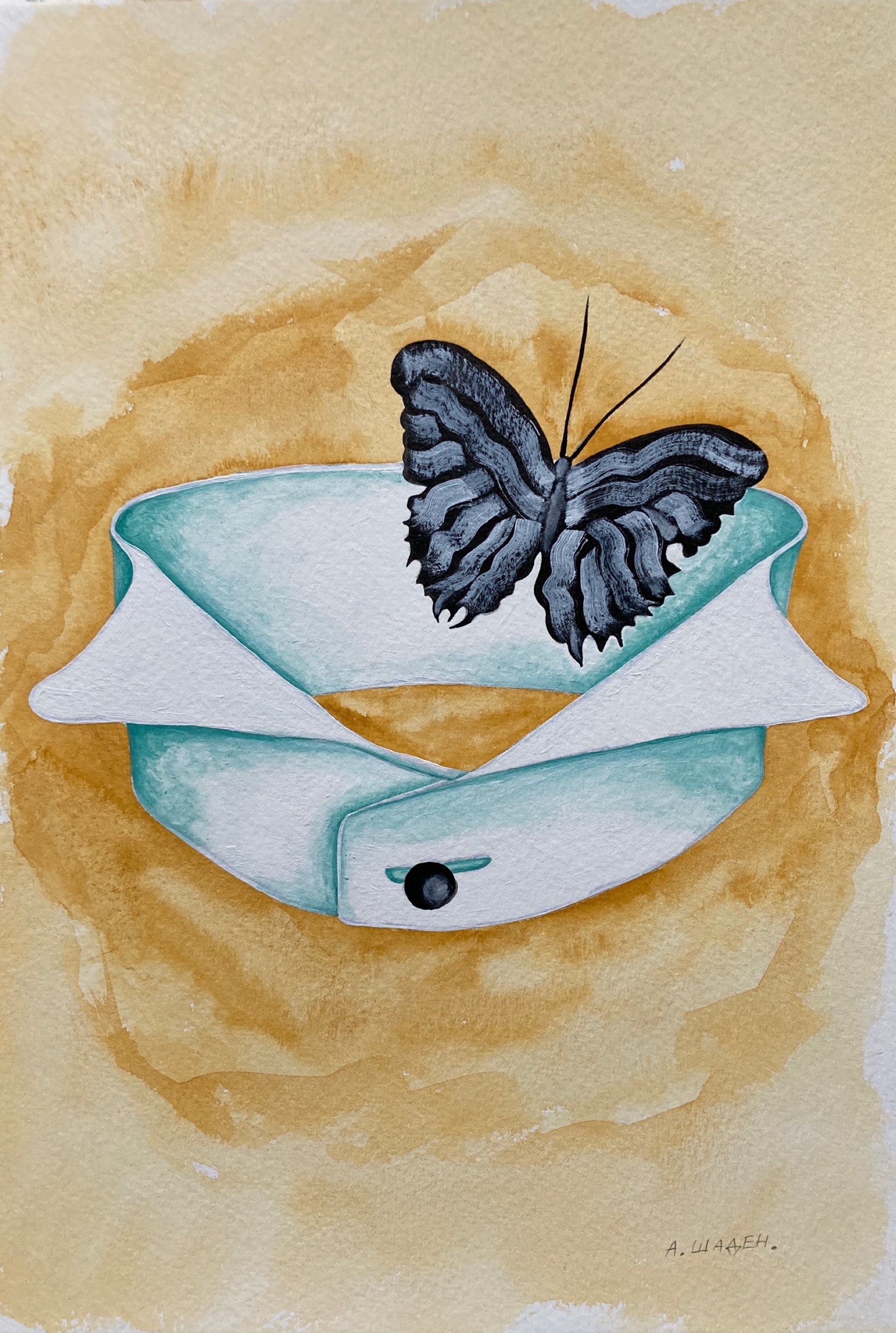
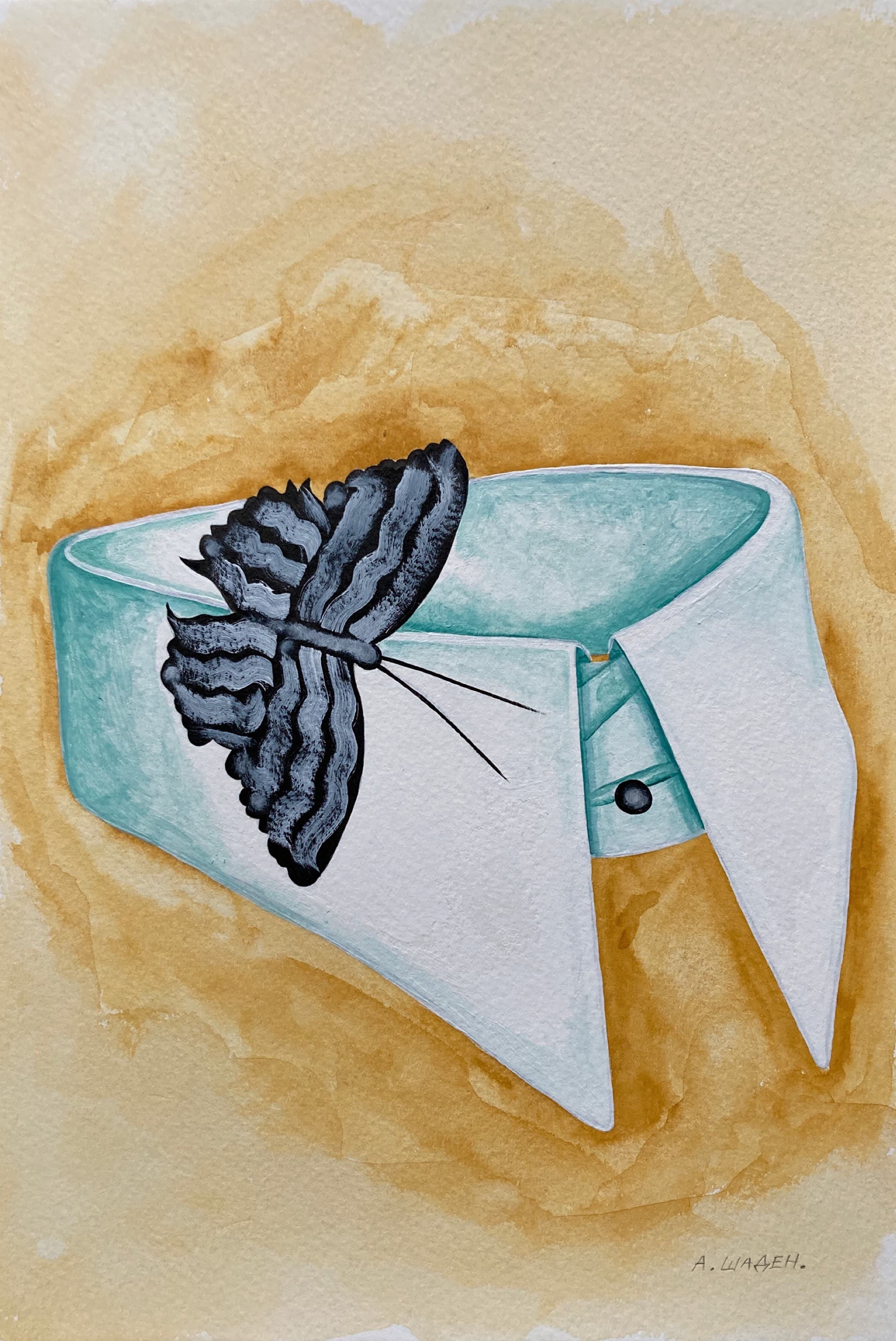
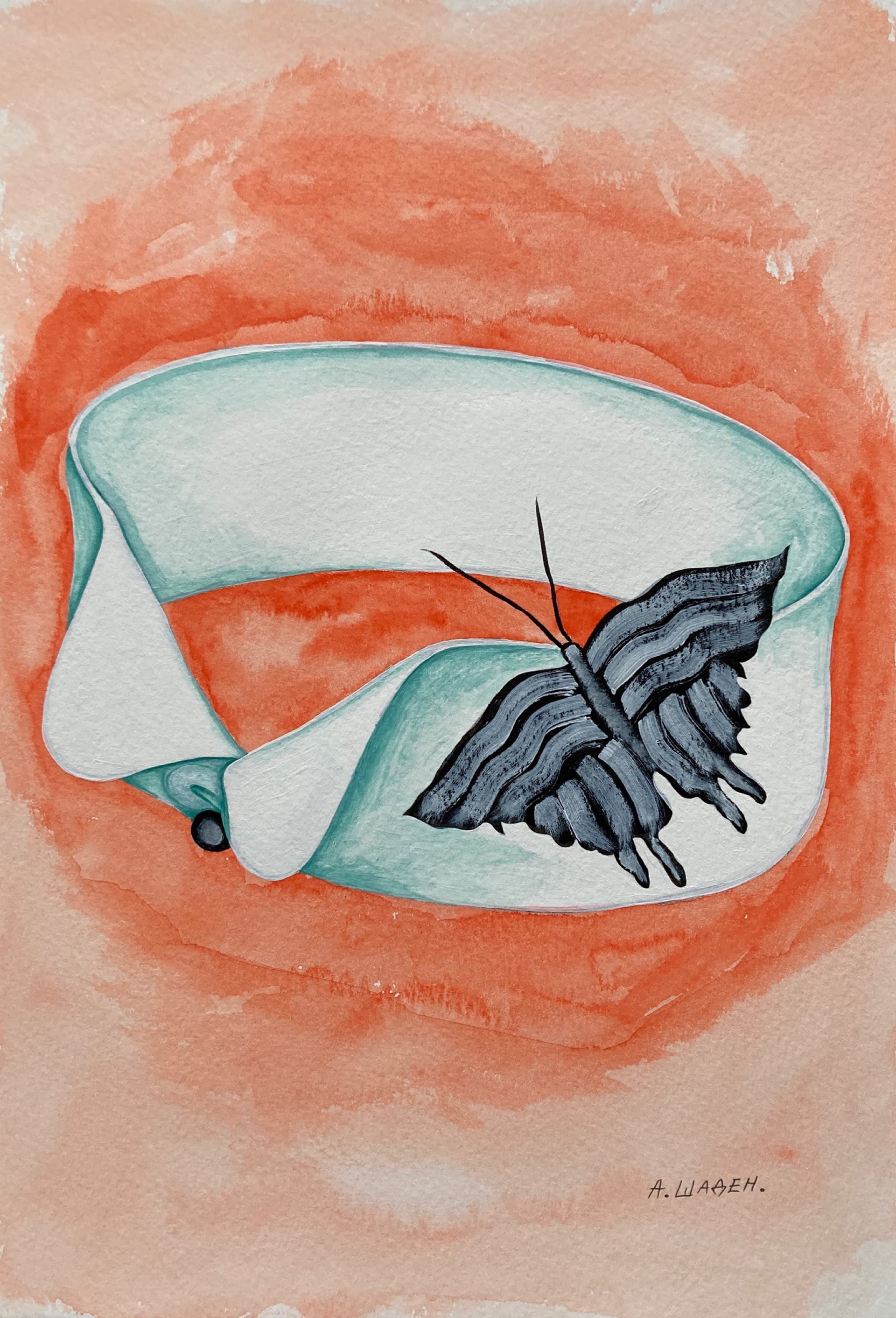
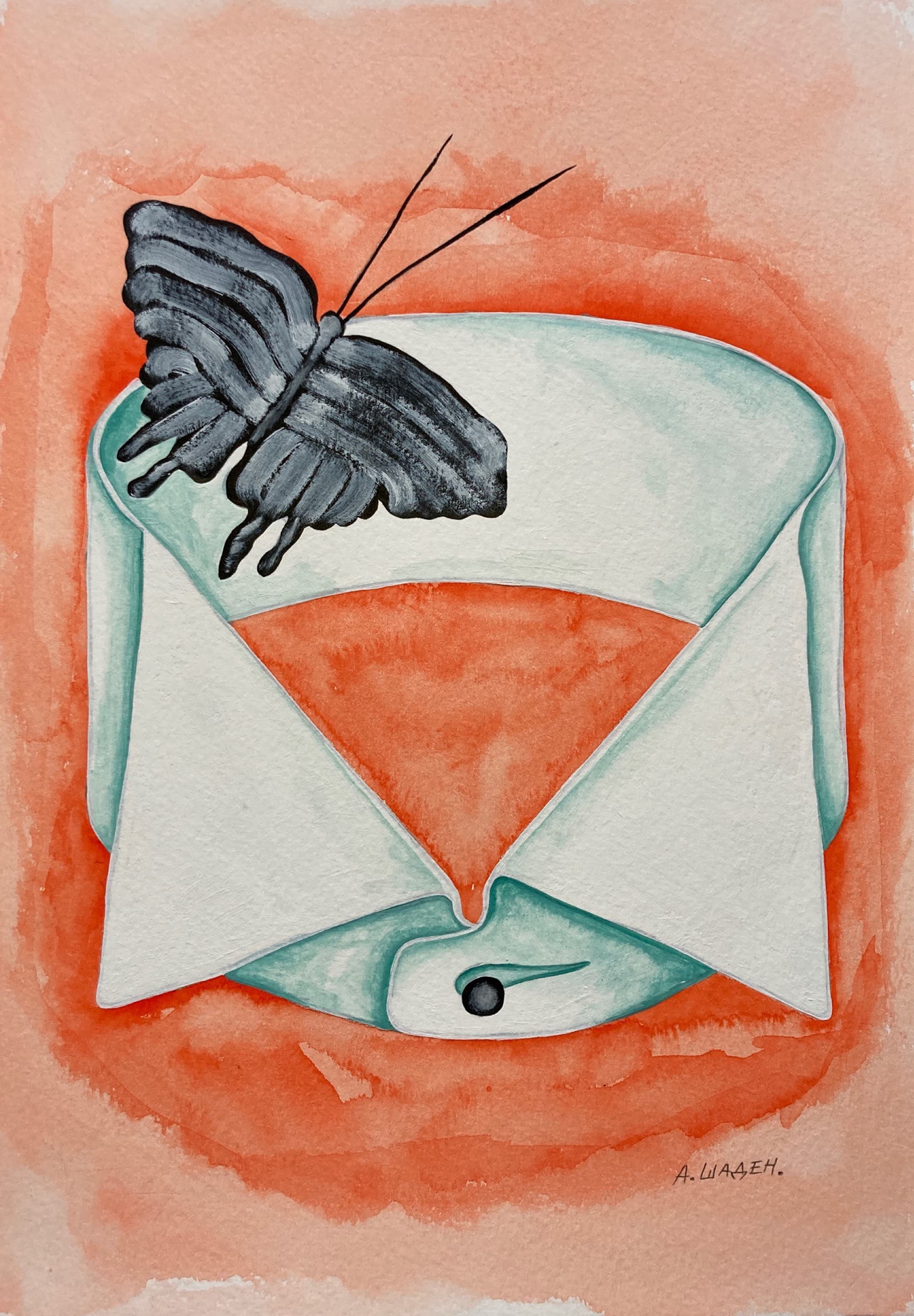
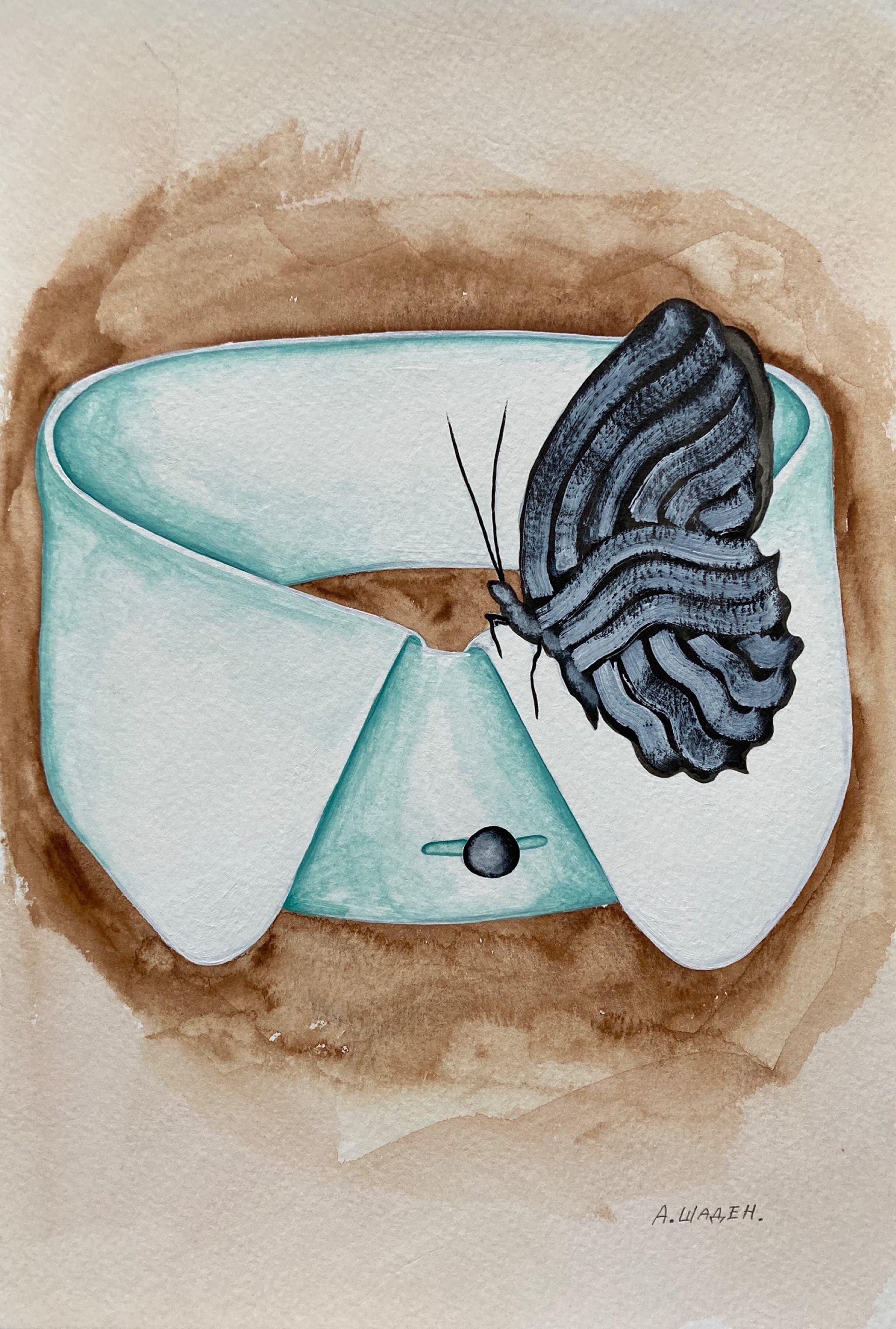
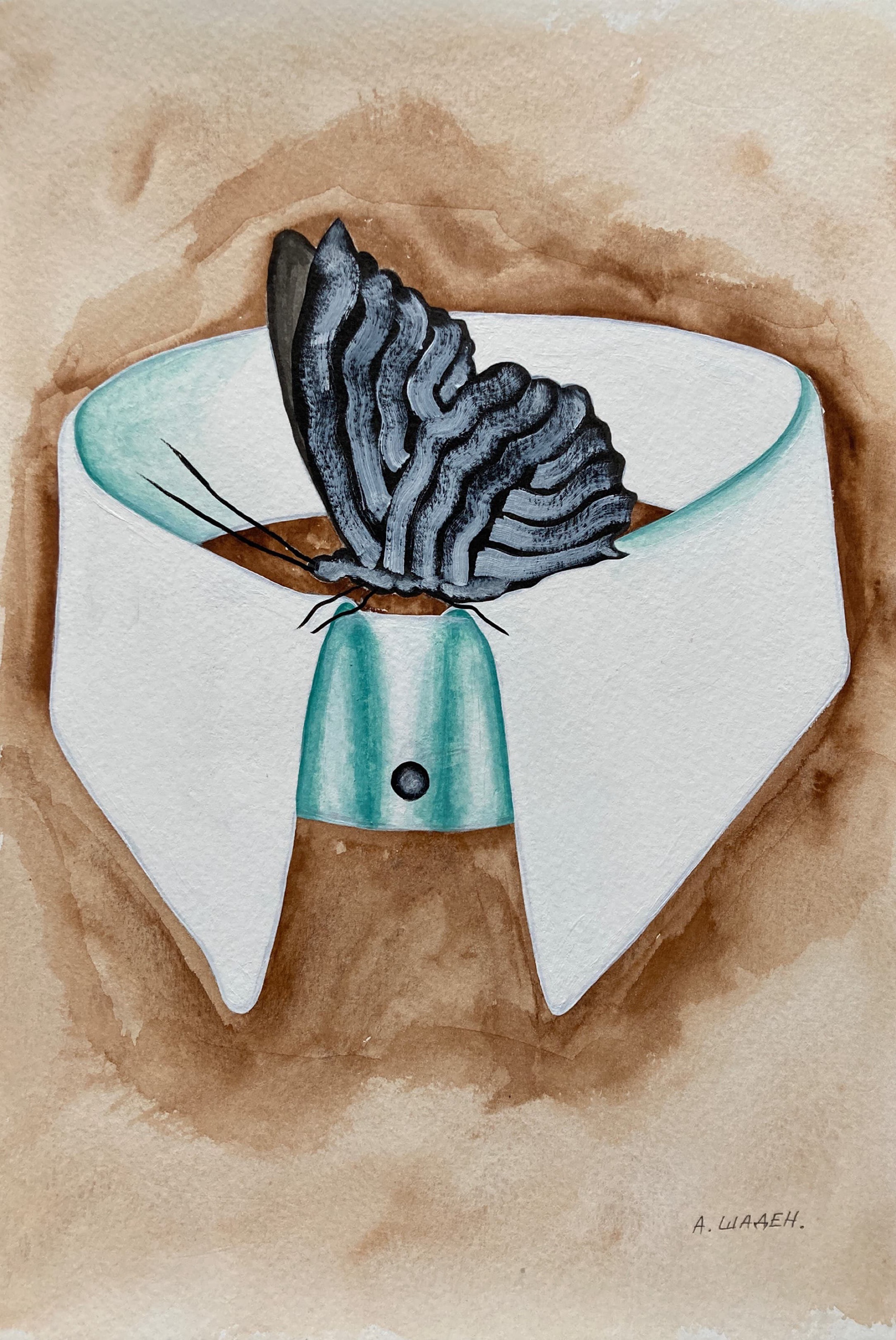
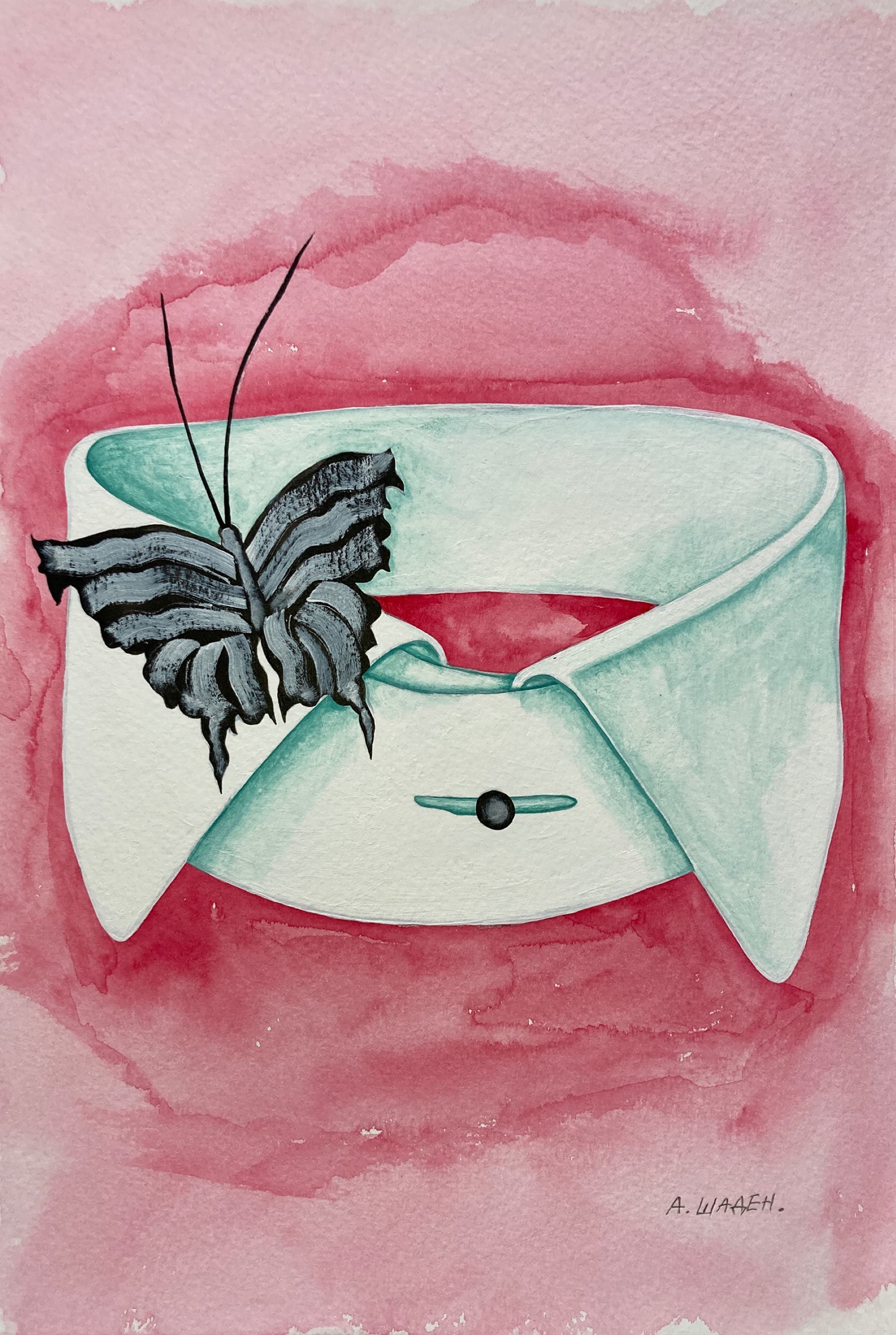
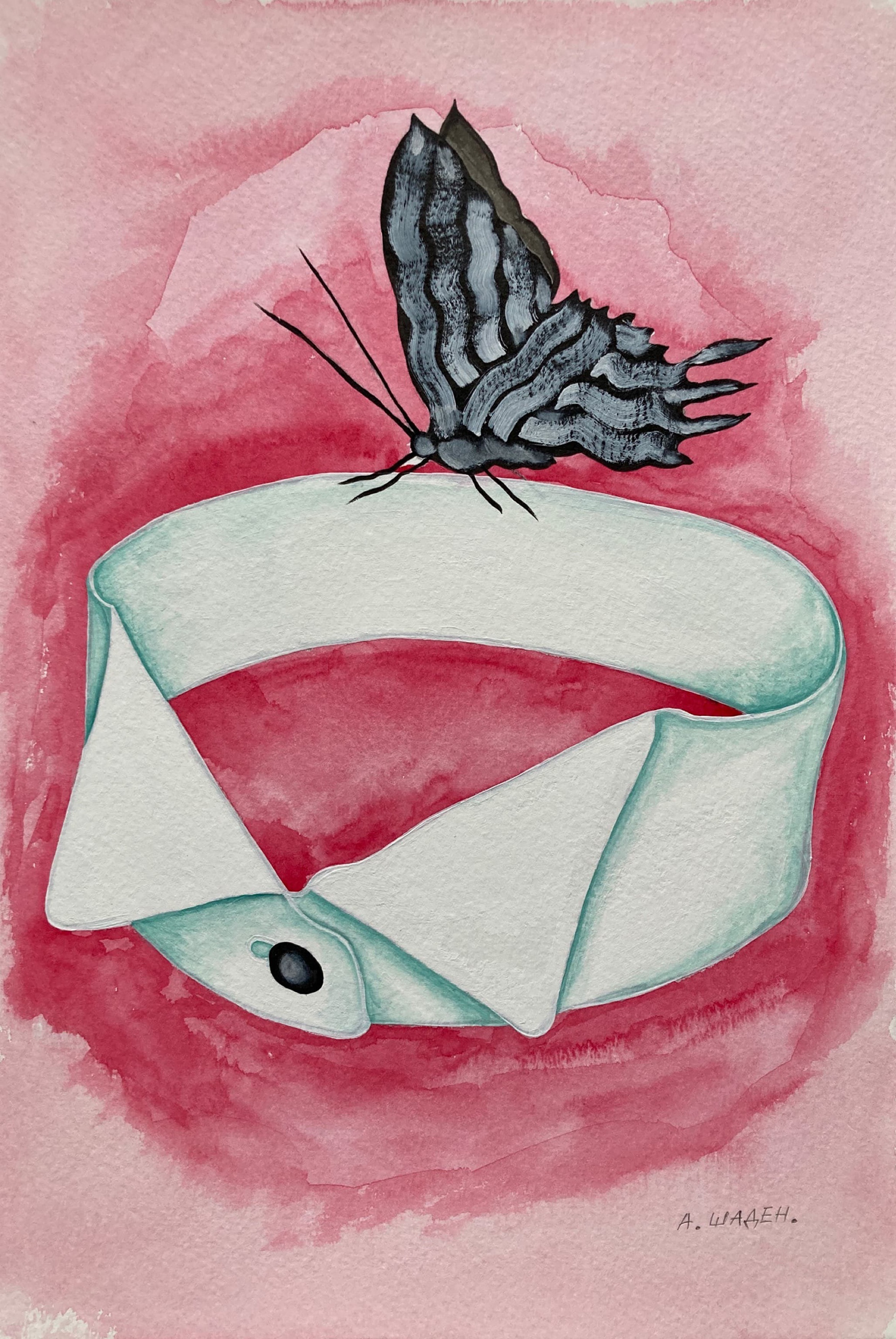
Wings, 2022
Watercolour, acrylic and ink on A4 cold-pressed paper/for Ainalaiyn Space, London, UK